Flying can open up new destinations, but it can also leave you with a lingering blocked ear or uncomfortable pressure after landing. That “plugged” feeling, often referred to as airplane ear, is a common result of changing air pressure at cruising altitude. The good news: in most cases, it’s temporary and manageable with simple techniques.
Below is a practical, traveler-friendly guide to understanding what causes clogged ears after flying and how to find relief before your next departure from BLV and beyond.
Causes and Mechanisms
Clogged ears after a flight are typically caused by air pressure changes that occur during takeoff and landing. Inside the ear, the middle ear sits behind the eardrum, connected to the throat by narrow Eustachian tubes. These tubes are responsible for pressure regulation and helping fluid drain properly.
When cabin pressure changes quickly, the Eustachian tubes may not adjust fast enough, especially if there’s congestion, a stuffy nose or inflammation. This creates a pressure imbalance that can form a vacuum, stretching the eardrum and causing discomfort.
Factors like earwax, allergies or diseases of the Eustachian tube can further block this narrow passage, increasing the risk of ear barotrauma.
Prevention Strategies
Preventing a clogged ear after flying often comes down to preparation and awareness during key moments of the flight.
Practicing frequent swallowing, yawning or chewing gum during descent can help keep the Eustachian tubes active and responsive to pressure changes. Staying hydrated by choosing to drink fluids throughout your trip can also support overall comfort.
If you know you are prone to congestion, using a nasal spray or decongestant before your flight may reduce the risk of blockage, particularly when dealing with a sinus infection or stuffy nose. For young travelers, using a bottle or pacifier during takeoff and landing can help stabilize pressure. Taking time to plan ahead is one of the simplest ways to manage airplane ear before it starts.

Symptoms and Signs
When your ears are clogged after flying, the symptoms often range from mild to noticeable discomfort. Many travelers experience a feeling of fullness or stuffiness in the ear, along with a persistent blocked ear sensation.
You may also notice muffled hearing or temporary hearing loss, as well as mild to moderate ear pain or general discomfort in the ear. In more severe cases, symptoms can escalate to tinnitus, dizziness or even bleeding from the ear and a ruptured eardrum. While these symptoms typically resolve on their own, any prolonged or severe reaction may indicate more significant pressure-related changes within the ear.
Treatment and Relief Methods
Relieving clogged ears after flying focuses on reopening the Eustachian tube to restore normal pressure in the middle ear. One of the most effective techniques is the Valsalva maneuver, which involves gently pinching the nose and blowing to equalize pressure.
If congestion is involved, short-term use of a nasal decongestant, oral decongestant medications or an antihistamine may help reduce swelling and improve airflow. In cases where excess earwax is contributing to the issue, eardrops, mineral oil or gentle methods to irrigate the ear canal can improve comfort. Although rare, persistent symptoms linked to structural damage may require advanced treatment such as tympanoplasty.
Ear Care and Hygiene
Maintaining good ear health can make a meaningful difference when it comes to preventing issues after flying. The ear naturally supports a self-cleaning process within the ear canal, where earwax plays a protective role by trapping dust and debris. However, too much buildup can create a blocked ear canal and interfere with pressure changes.
Practicing basic self-care, such as avoiding cotton swabs that push wax deeper into the ear, can help maintain balance. When buildup becomes significant, professional options like microsuction removal allow for safe and effective cleaning that protects the ear’s structure and function.
Complications and Risks
Although most cases of airplane ear resolve quickly, persistent or severe symptoms can lead to complications if left untreated. Continued pressure imbalance may result in inflammation, infection or even middle ear damage and inner ear damage.
In some cases, individuals may develop chronic tinnitus or experience a stretched eardrum due to prolonged stress on the ear’s structures. A lingering blockage or untreated issue in the ear canal can also contribute to longer-term hearing concerns, making it important to monitor symptoms that do not improve over time.
When to Seek Medical Attention
If symptoms last longer than a few days or worsen after your trip, it may be time to consult a medical professional. Signs that require attention include fluid coming from your ear, noticeable hearing loss or symptoms that suggest eardrum damage.
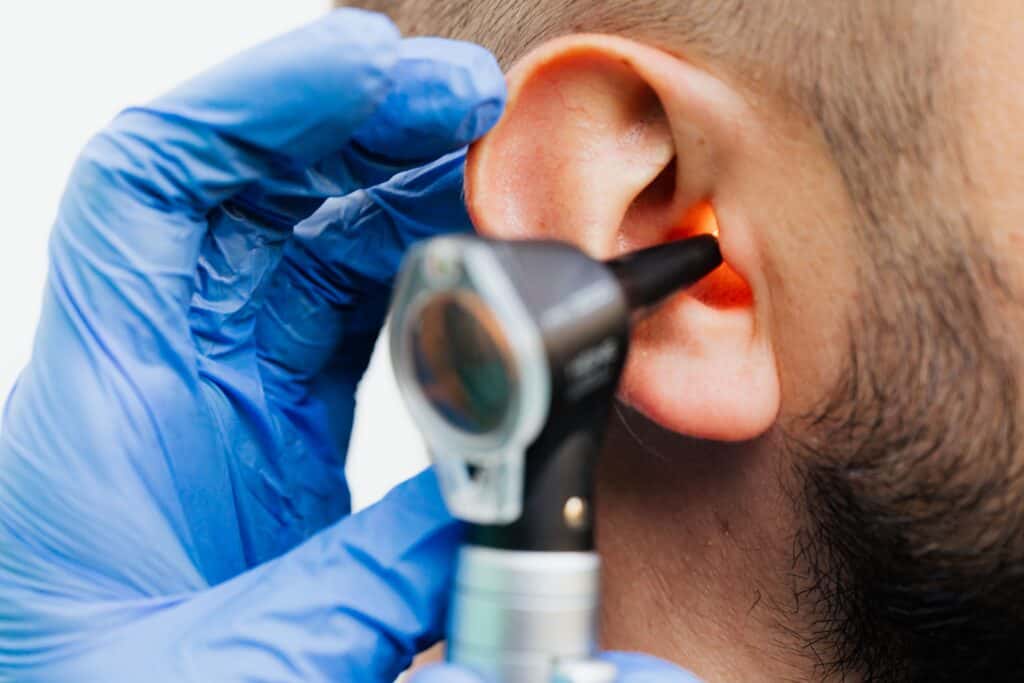
Specialists such as an otolaryngologist (ENT) or audiologist can perform a hearing test or examine the ear using an otoscope to assess the underlying issue. In more advanced cases, further evaluation and treatment, including ear surgery, may be necessary. Seeking prompt care helps protect your long-term hearing health and ensures any complications are addressed early.